Blog
From Festivals to Birthdays: How Cake Became a Part of Nepali Celebrations
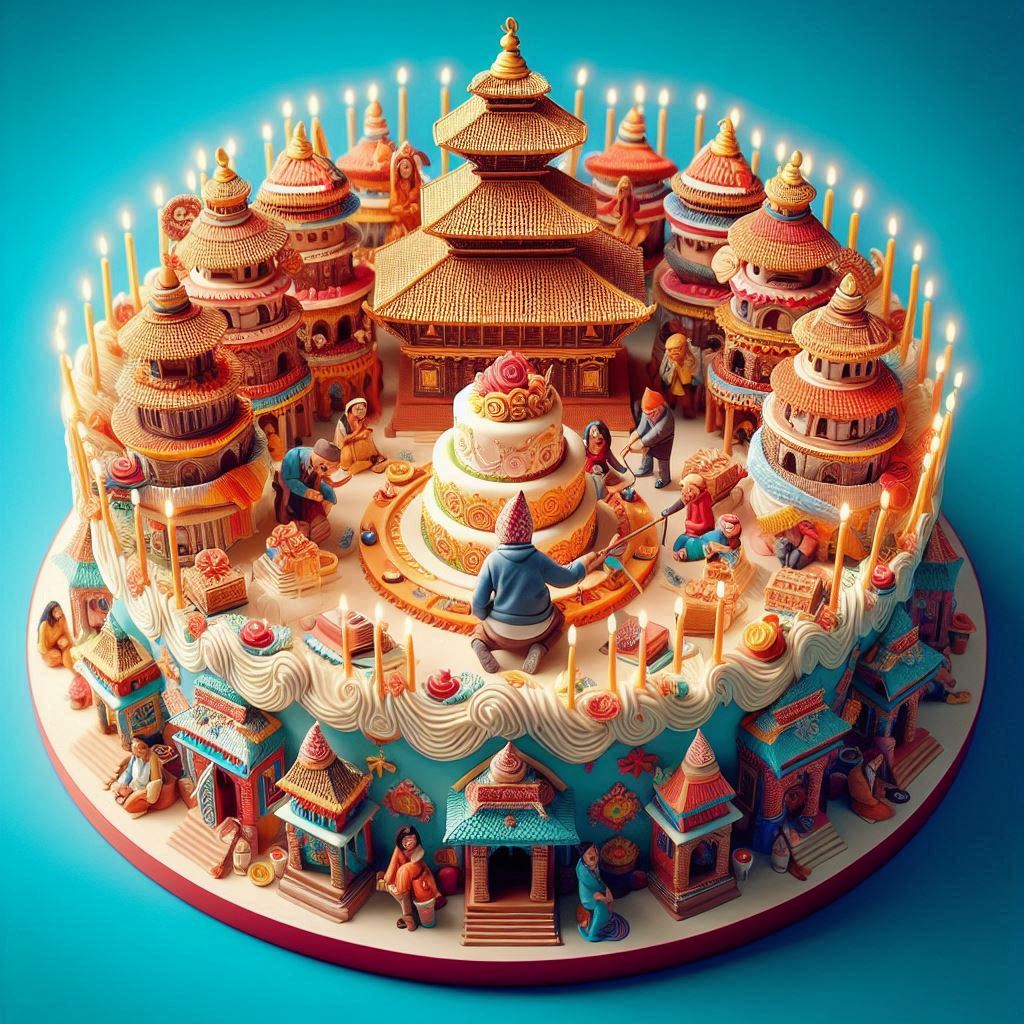
Nepal is a country of festivals, celebrations, and deep-rooted traditions. For centuries, sweet treats like barfi, jalebi, and sel roti have been at the heart of every joyous occasion. But in recent years, a new dessert has found its way into the hearts of many Nepalis—cake. Though cutting a cake wasn’t a part of traditional Nepali culture, the trend has grown significantly, making cakes a staple in modern celebrations.
A Sweet History of Change
The concept of eating and cutting cakes wasn’t always present in Nepali culture. Traditionally, Nepalis celebrated weddings, birthdays, and religious festivals with homemade sweets, prepared with care and family recipes passed down through generations. These sweets hold deep cultural significance, symbolizing joy, togetherness, and prosperity.
However, as the world became more connected and modern influences started making their way into Nepal, the appeal of Western-style cakes began to rise. It started in the cities, where bakeries began to pop up, and cakes started appearing at birthday parties, weddings, and anniversaries. This trend spread to smaller towns and even rural areas, where people began to see cakes as a symbol of modernity and a special way to celebrate memorable moments.
Celebrations with a Twist
Nepali families have always embraced change while keeping their traditions intact, and the cake trend is no different. At first, cakes were reserved for birthdays, seen as a Western way of celebrating the milestone of another year. But soon, cakes began to be cut during weddings, anniversaries, graduations, and even during festivals like Dashain and Tihar. The act of cutting a cake became a way of adding a new dimension to traditional Nepali celebrations—a blend of old and new.
A Blend of Cultures on the Cake Table
One of the most interesting aspects of this cake trend is how Nepali culture has left its mark on the types of cakes available. Many bakeries now offer cakes that combine traditional Nepali flavors with Western baking techniques. For example, you can find cakes flavored with khir (Nepali rice pudding), saffron, and cardamom, reflecting the flavors that have been loved by generations. These fusion cakes have gained popularity, bringing a touch of Nepali culture to modern baking.
The Emotional Connection
For many Nepalis, cakes are more than just a dessert—they represent a change in how we celebrate togetherness. In a time when families are often scattered, either within Nepal or abroad, cakes have become a way of creating a moment of togetherness, even if it’s just for a few minutes around a beautifully decorated dessert. The ritual of cutting a cake, sharing it with family and friends, and capturing the moment on camera has become a new way of marking important events in our lives.
The Rise of Home Bakers and Local Bakeries
The growing demand for cakes has not only been beneficial for big cake shops but has also sparked a rise in home bakers and small local bakeries. Many Nepalis, inspired by the trend, have started baking cakes at home, turning a hobby into a small business. These home bakers often offer personalized designs and flavors that appeal to Nepali tastes, creating a more personal connection with their customers.
Local bakeries have also adapted to meet the changing demands. From simple sponge cakes to elaborate fondant designs, they’ve learned to cater to the desires of modern customers while keeping prices affordable. This blend of tradition and modernity, combined with a personal touch, has allowed small businesses to thrive in Nepal’s growing cake industry.
Cakes in Nepali Festivals
Interestingly, cakes have even made their way into traditional Nepali festivals. During Dashain and Tihar, some families have started including a cake as a part of the feast. It’s not a replacement for traditional sweets but rather an addition—a way to blend the old with the new. Cutting a cake during Dashain can feel just as special as making sel roti or laddoos, especially when it brings the whole family together in a moment of shared joy.
The Future of Cake Culture in Nepal
The cake culture in Nepal is still evolving, but one thing is clear: it’s here to stay. As modern life continues to shape Nepali traditions, cakes will likely become an even more prominent part of celebrations. Whether it’s a simple homemade cake or an elaborate creation from a fancy bakery, the joy of sharing a sweet treat with loved ones will continue to grow.
In Nepal, where tradition is cherished and change is embraced, cakes have found a unique place. They’re no longer seen as just a Western influence but as a new way of expressing love, happiness, and togetherness—a true reflection of how Nepalis can blend the best of both worlds.
Herman Live Bakery: A Taste of Modern Celebrations
One of the businesses that have embraced this change is Hermann Live Bakery. Known for its delicious cakes and affordable prices, it has become a popular choice for many celebrations in Kathmandu. Offering online delivery services, Hermann Live Bakery has made it easier for people to include cakes in their celebrations, adding a sweet touch to every special moment. Whether it’s a birthday, a wedding, or a festival, their cakes have become a go-to option for those who want to celebrate in style without breaking the bank.