Blog
My First Slice: A Nepali’s Journey Into the World of Cakes
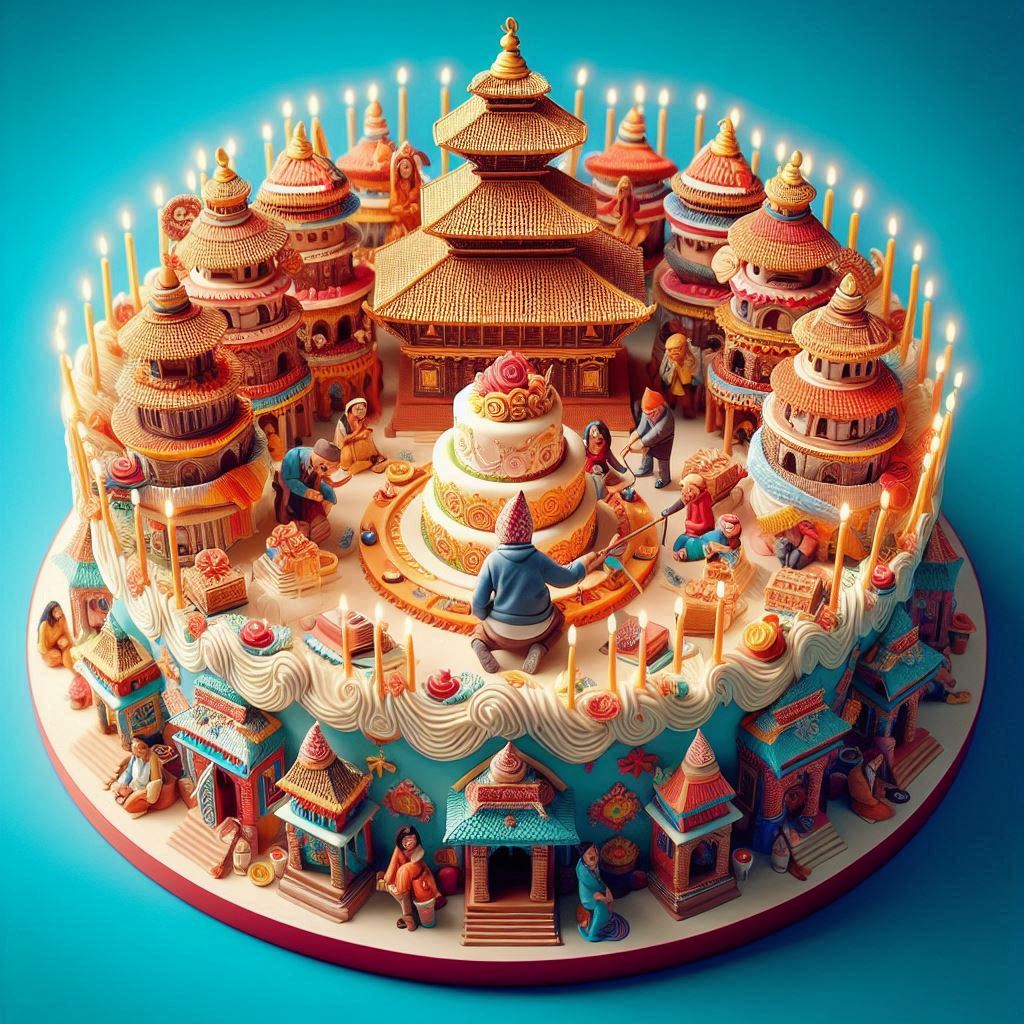
Growing up in Nepal, celebrations meant the smell of sel roti frying in the kitchen, the sweetness of barfi melting in my mouth, and the joy of gathering with family and friends. Birthdays, weddings, and festivals were all about traditional sweets that had been part of our culture for centuries. But as I grew older, I noticed a subtle change in how we celebrated special moments—cakes started to make an appearance.
A New Tradition Begins
The first time I saw a cake at a birthday party, I was in awe. It was a simple chocolate cake, nothing fancy, but for me, it was magical. Until then, birthdays had been about traditional dishes, and suddenly, here was this big, round dessert with colorful frosting, and candles on top. The excitement of blowing out the candles and cutting the cake felt like a whole new way to celebrate, and I was instantly hooked.
As I looked around the room, I saw the same curiosity and excitement in the eyes of my friends and family. This was something different, something new, and yet it felt like it belonged. The laughter and cheers as the cake was sliced and shared created a sense of togetherness, a moment of shared joy that I had never experienced before.
The First Slice of Cake
The first slice of cake I ever tasted was sweet and soft, unlike any dessert I had ever had. It wasn’t as rich as barfi or as crispy as jalebi, but it had a gentle sweetness that was comforting. I remember thinking how amazing it was that such a simple dessert could make everyone so happy. From that moment on, cakes became a part of my celebrations, blending seamlessly with our traditional dishes and customs.
Embracing Cakes in Nepali Celebrations
Over the years, I’ve watched cakes become more and more popular in Nepal. What started as a novelty has now become a common sight at birthdays, weddings, anniversaries, and even during traditional festivals like Dashain and Tihar. It’s not that we’ve replaced our traditional sweets—those are still very much a part of who we are—but cakes have found their place alongside them, adding a new layer of excitement to our celebrations.
For many Nepalis, the appeal of cakes lies in their versatility. A cake can be as simple or as elaborate as you want it to be. It can be customized with your favorite flavors, decorated with vibrant designs, and made to suit any occasion. This sense of personalization has made cakes a special addition to our celebrations, turning them into symbols of modern Nepali life.
Cakes: A Symbol of Togetherness
One of the things I love most about cakes is how they bring people together. It’s not just about the taste; it’s about the act of cutting a cake, sharing it with loved ones, and creating memories together. Whether it’s a birthday, a wedding, or a simple get-together, cakes have a way of making the moment feel special. The excitement of gathering around the table, singing songs, and watching someone make a wish as they blow out the candles is something that has become a cherished part of our celebrations.
In a way, cakes have created new traditions for us. They have become a way of marking milestones, celebrating achievements, and expressing love and joy. And while they may not be a part of our cultural past, they have become an important part of our present, symbolizing how Nepalis are open to embracing change while holding on to our roots.
The Changing Cake Scene in Nepal
Over time, I’ve seen the cake scene in Nepal grow and evolve. What was once a rare treat is now available in every corner of Kathmandu, with bakeries offering a wide range of flavors and designs. From classic chocolate and vanilla to exotic mango and cardamom, cakes in Nepal now cater to every taste. Some bakeries even offer traditional Nepali-inspired flavors, blending the old with the new in a way that feels uniquely Nepali.
Bakeries have become a common sight in urban areas, and the rise of online delivery services has made it easier than ever to enjoy a cake at any celebration. For busy families, ordering a cake online has become a convenient way to make a special occasion even more memorable. This change has allowed the cake culture to spread, making it accessible to everyone, no matter where they are.
Cakes at Nepali Festivals
One of the most surprising changes I’ve seen is the inclusion of cakes at traditional festivals. During Dashain, Tihar, and other celebrations, cakes have started to make their way to the table, sitting alongside sel roti and yomari. While they don’t replace traditional sweets, they add a modern twist to our festivities, and families like mine have come to appreciate this blend of old and new.
For me, cakes have become a symbol of how Nepalis are able to embrace change without losing our identity. We can enjoy the sweetness of a slice of cake while still holding on to the values and traditions that make us who we are. It’s a reminder that traditions don’t have to be rigid—they can evolve, grow, and adapt, just like we do.
Hermann Live Bakery: A Delicious Choice for Celebrations
Hermann Live Bakery has been a significant part of my journey into the world of cakes. Known for its delicious flavors, affordable prices, and reliable online delivery, it’s a go-to choice for many in Kathmandu. I remember ordering my first custom cake from them—a beautiful chocolate cake with a Nepali twist, flavored with cardamom and topped with traditional designs. It was a perfect representation of how cakes have become a part of our celebrations, blending modern tastes with cultural elements.
Hermann Live Bakery has made it easy for Nepalis to include cakes in their celebrations, whether it’s a last-minute birthday or a planned festival. Their commitment to quality and reasonable pricing has made them a beloved choice for many, and they continue to be a part of the sweet journey of embracing cakes in Nepal.
For me, the story of cakes in Nepal is not just about a dessert—it’s about how we celebrate life, how we come together, and how we’re open to new experiences while cherishing the old. Cakes may not have been a part of our history, but they have certainly become a part of our future, and I’m happy to have been there for the first slice.